Work Smarter, Not Harder: A High-Performance Perspective
At Mentoring The Elite, hard work is a given. Every athlete who walks through our doors is willing to put in the effort. What separates progress from plateau is how intelligently that effort is applied.
Performance testing sits at the centre of that equation. It allows us to train with intent, not assumption. To guide decisions, not guess.
Here’s how our leadership team views the idea of “work smarter, not harder” — through the lens of high-performance development.
Coach Sunz — Head of High Performance

As a coach, I love athletes who want to work. That’s never the issue.
The issue is when effort isn’t aligned with what the athlete actually needs.
If we don’t test, we’re guessing. And in high-performance sport, guessing costs time — and often leads to injury.
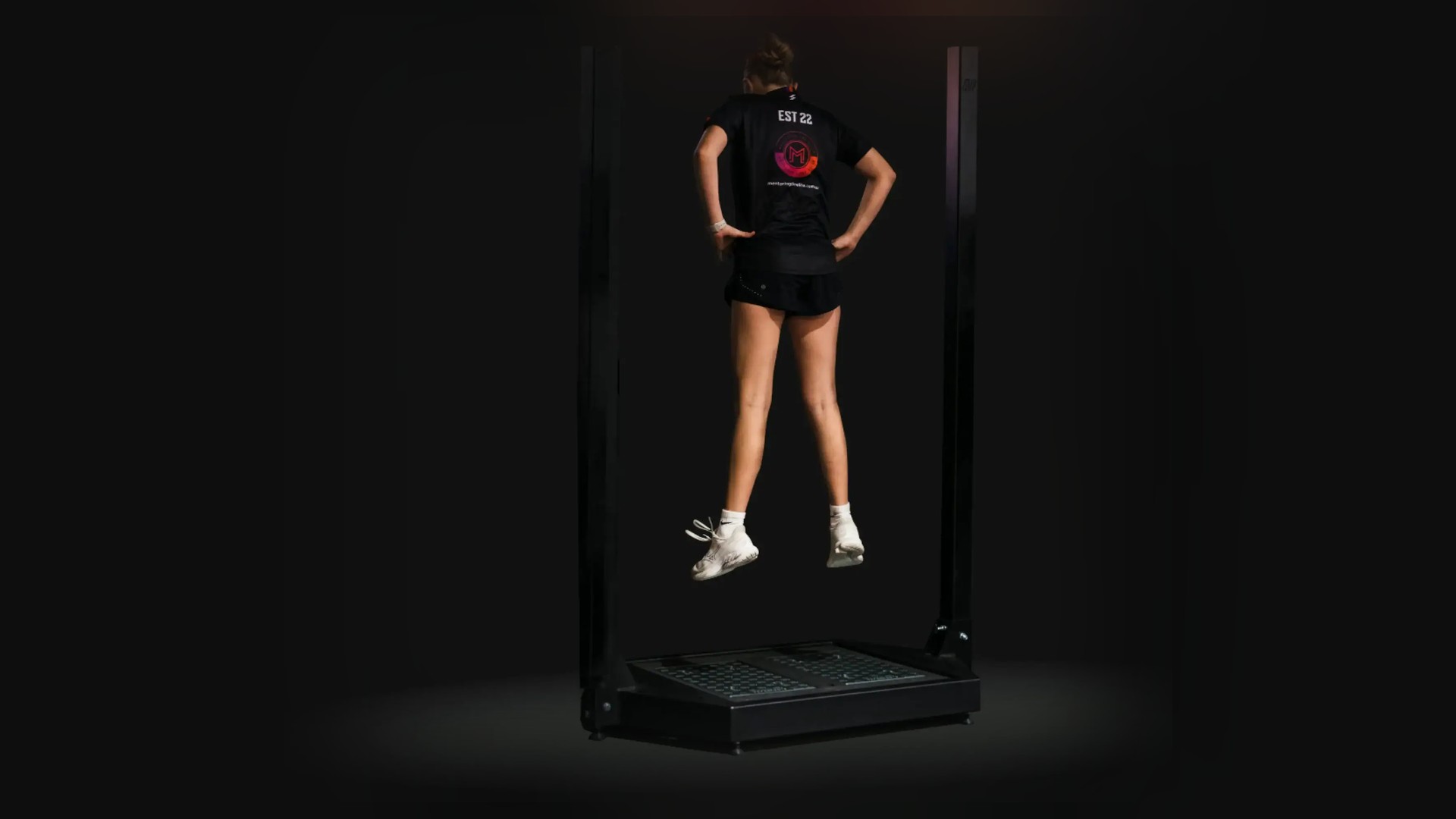
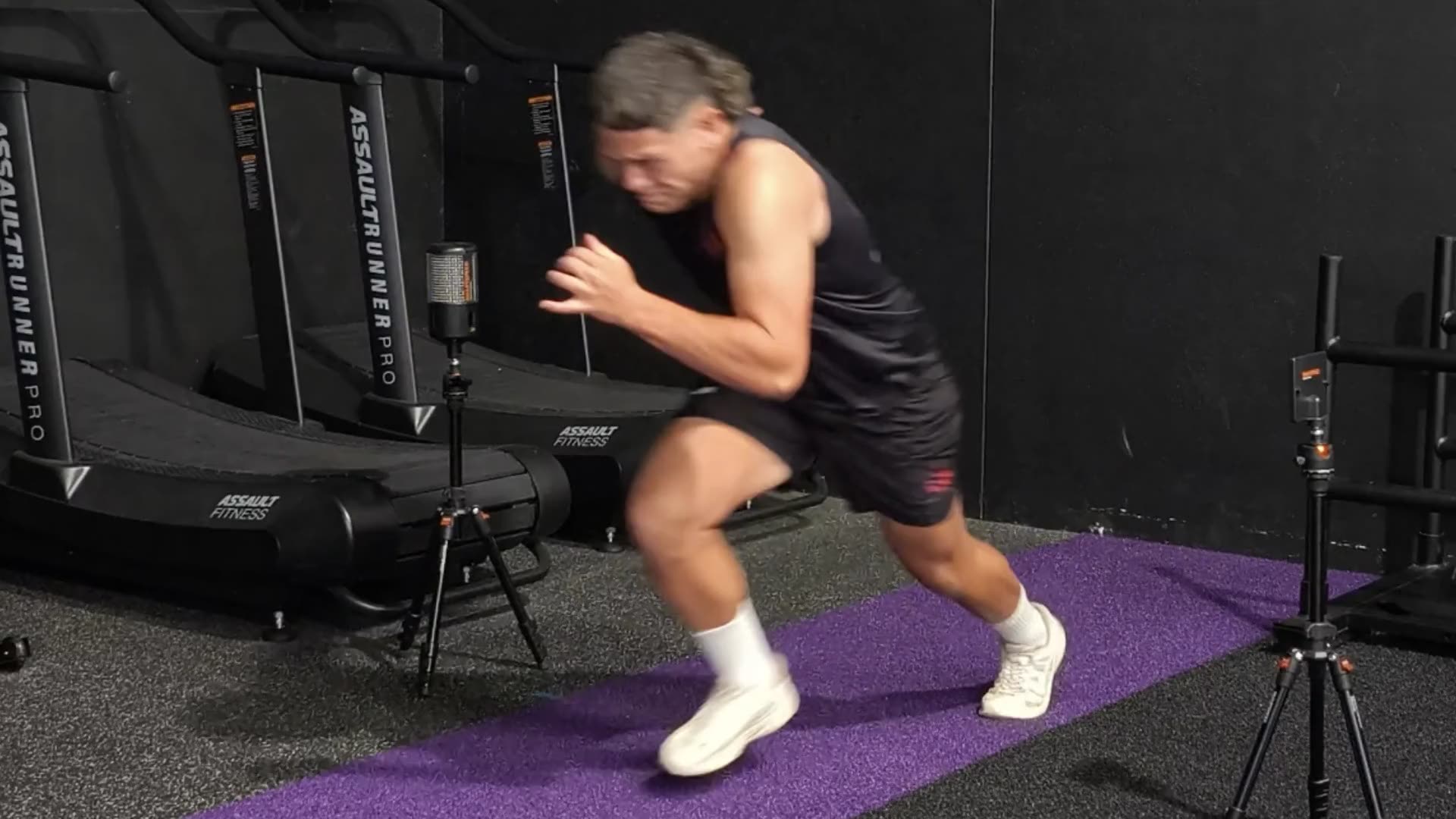
Performance testing allows me to see what’s really going on beneath the surface: strength imbalances, power outputs, asymmetries, and how an athlete is coping with load. These are things you simply can’t assess properly by eye.
When people say “work harder”, my question is always: harder at what?
If an athlete is doubling down on a weakness, or training around a limitation they don’t know exists, they’re not improving — they’re digging a deeper hole.
Working smarter means training based on data, not emotion. It’s about applying the right load at the right time, and ensuring every session has a clear, measurable purpose.
For youth athletes especially, this is critical. Their bodies are changing fast. What worked last season may no longer be appropriate.
Performance testing gives us clarity. And clarity is what drives progress.
“Smarter systems always beat harder sessions.”

From an academy point of view, my role is about structure and long-term development.
Young athletes don’t need endless sessions. They need the right work, at the right time, within the right system.
Performance testing gives us a starting point. It tells us where an athlete is today — not where we assume they are based on age, size, or sport.
Two athletes can look the same on the surface and require completely different approaches. Without testing, that nuance is lost.
What I see consistently is that testing helps athletes understand why they’re training a certain way. That understanding creates buy-in.
When athletes can see improvements in their data — strength ratios, jump metrics, power outputs — training stops being random. It becomes intentional.
That’s how confidence is built. And confidence matters just as much as capacity.
“Hard work is expected. Intelligence is the edge.”

When we built Mentoring The ELITE, the vision was never just to create another gym.
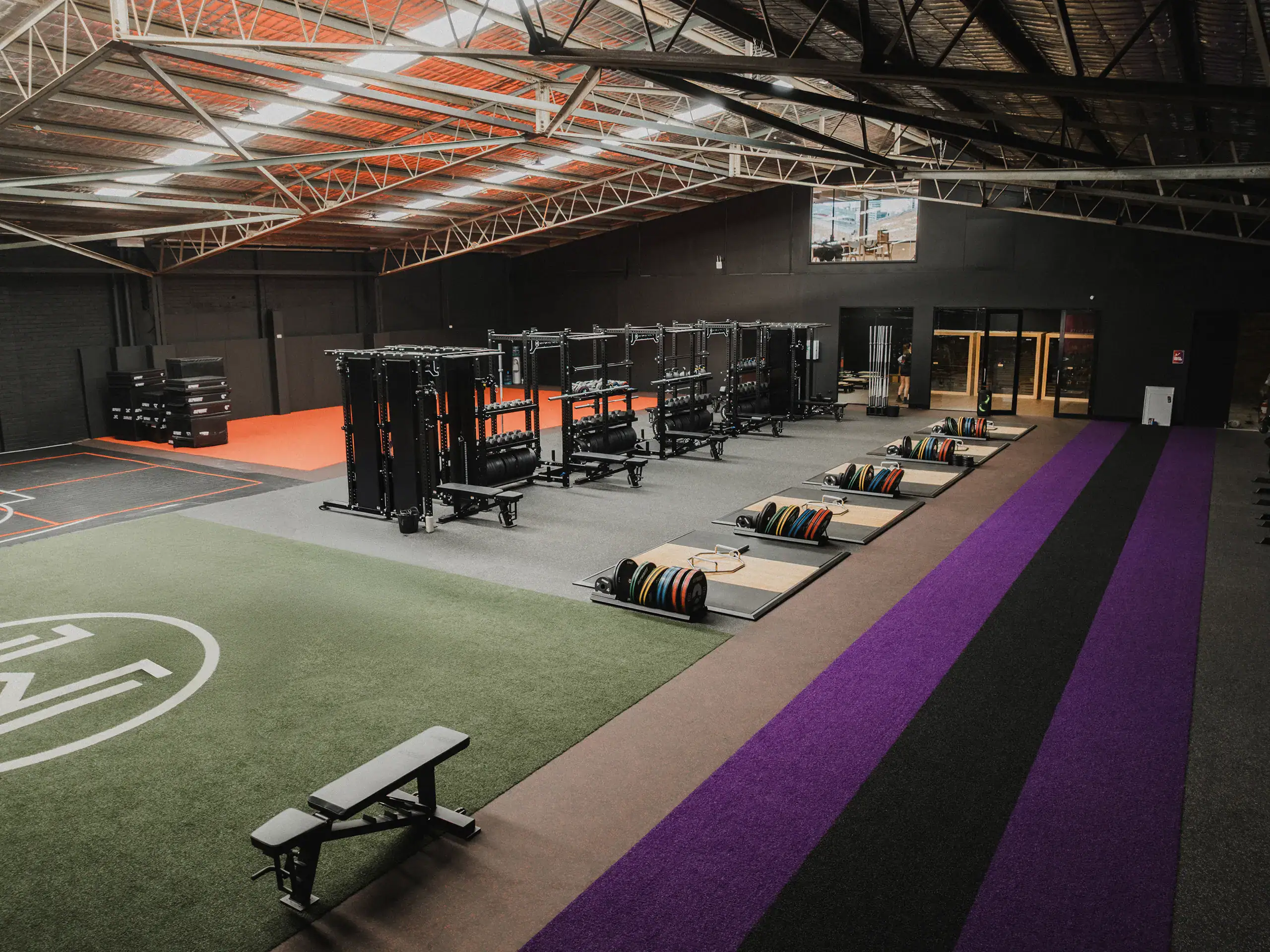
It was to build a world-class, fully integrated high-performance centre exclusively for youth athletes — one that mirrors professional environments but is designed specifically for developing bodies.
Performance testing was always a non-negotiable part of that vision.
Everyone works hard. That’s no longer the separator.
The edge comes from understanding: What an athlete needs now, what they’ll need next and how to build them without breaking them.
Without data, decisions become reactive. With data, they become strategic.